Get Ground Hydrant Installation
Ground hydrant installation services help property owners address fire safety needs by installing reliable water supply systems for firefighting in commercial and industrial projects.
Ground hydrant installation is a practical solution for property owners seeking reliable access to water in emergency situations, especially in areas where fire safety and preparedness are priorities. Whether for commercial facilities, large residential properties, or community spaces, installing a ground hydrant can enhance safety and ensure quick response capabilities. Exploring local contractors who specialize in this work can help property owners compare options and find services that align with their planning needs.
By considering local service providers, property owners can assess different installation approaches and choose solutions tailored to their specific site conditions and safety requirements. Evaluating the expertise of nearby contractors ensures that the project is handled efficiently and effectively. Continuing to explore available options can help in making informed decisions about ground hydrant installation that best suit the property’s needs.
- Ground Hydrant Installation - needed when establishing reliable water access for firefighting in new or existing properties.
- Fire Protection System Setup - required during the development of commercial or industrial sites to ensure proper fire safety measures.
- Property Development Projects - necessary when preparing land for construction that mandates on-site water sources.
- Emergency Water Supply Solutions - sought after in areas prone to water outages or where permanent hydrant systems are needed.
- Municipal Fire Infrastructure - involved when local contractors upgrade or install fire hydrants for community safety.
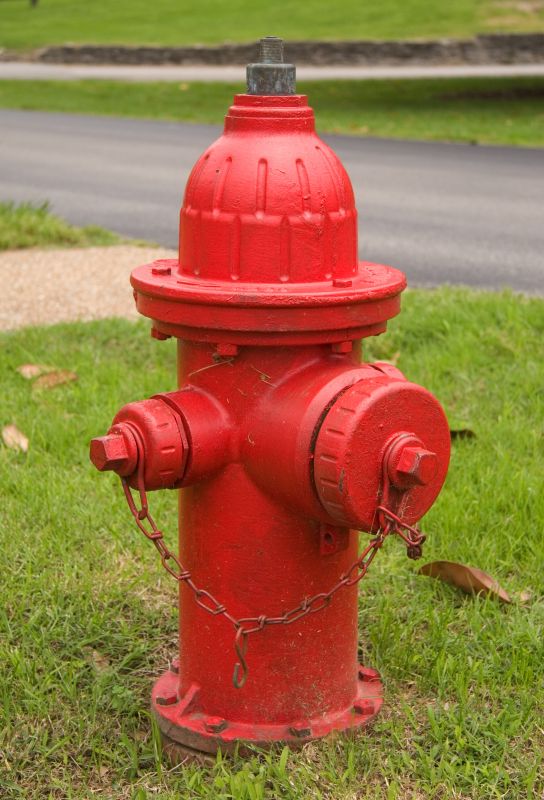
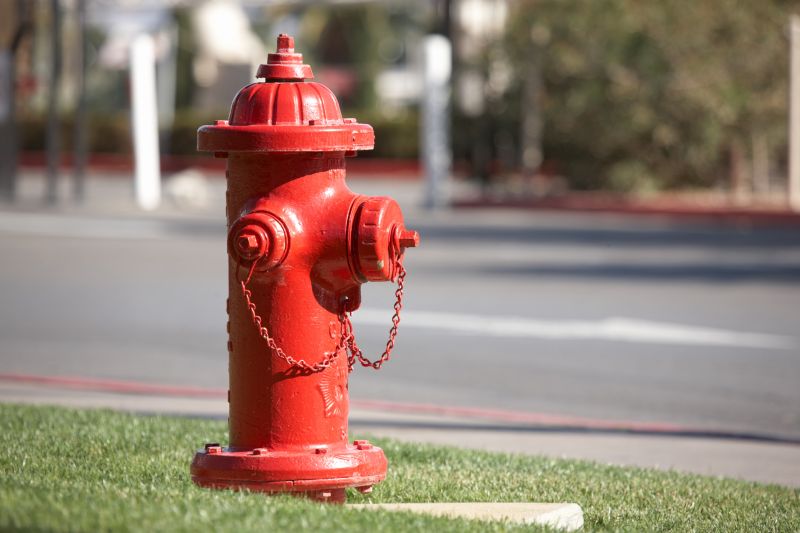
Ground hydrant installation involves setting up specialized water access points that are installed underground to provide reliable fire protection and emergency access. These systems typically consist of a durable, above-ground valve and nozzle connected to a buried water supply line. The installation process includes digging a suitable site, laying the water line, and securely installing the hydrant to ensure it functions properly when needed. This service is essential for creating a dependable water source for firefighting, especially in properties that lack existing fire hydrant access or have limited water infrastructure.
This service helps address common problems such as inadequate water supply for firefighting efforts, delayed emergency response times, and the inability to effectively contain fires on large or remote properties. Installing a ground hydrant ensures quick access to water in critical situations, reducing potential damage and increasing safety. It also helps property owners meet local fire safety regulations, which may require accessible water sources for fire departments or emergency responders. Proper installation by experienced service providers ensures the system remains functional and reliable over time.
Ground hydrant systems are often used on properties with large acreage, commercial sites, farms, or industrial facilities where existing fire protection infrastructure is insufficient. These systems are also suitable for rural homes or properties located far from municipal water lines, where traditional fire hydrants are not available. Homeowners with extensive landscapes, outbuildings, or remote garages may find ground hydrants beneficial for protecting their property assets. Additionally, properties with ongoing construction or development projects might require temporary or permanent hydrant installations to meet safety standards.
Choosing to install a ground hydrant can be a practical solution for property owners seeking enhanced fire safety and quick emergency access. Local contractors who specialize in fire protection systems can assess the property’s needs, recommend the appropriate hydrant type, and handle the installation process efficiently. By working with experienced service providers, property owners can ensure the hydrant system is correctly installed, durable, and ready to serve in an emergency. Contacting local pros for ground hydrant installation is a reliable step toward improving fire safety and safeguarding property assets.
The overview below groups typical Ground Hydrant Installation projects into broad ranges so you can see how smaller, mid-sized, and larger jobs often compare in your area.
In many markets, a large share of routine jobs stays in the lower and middle ranges, while only a smaller percentage of projects moves into the highest bands when the work is more complex or site conditions are harder than average.
Smaller Repairs - Basic ground hydrant repairs or minor installations typically cost between $250 and $600. Many routine jobs fall within this range, depending on the scope and location of the work.
Standard Installations - Installing a new ground hydrant or replacing an existing one usually ranges from $1,000 to $2,500. Most projects in this category are straightforward and fall into the middle of this range.
Full Replacement - Complete replacement of an older or damaged ground hydrant can cost between $2,500 and $5,000. Larger or more complex projects may push beyond this range, but they are less common.
Complex or Custom Projects - Highly customized or extensive ground hydrant systems can exceed $5,000, especially for large-scale or specialized installations. These projects are less frequent and typically involve additional site work or infrastructure modifications.
Actual totals will depend on details like access to the work area, the scope of the project, and the materials selected, so use these as general starting points rather than exact figures.
Underground Water Line Installation - This project involves planning and installing underground piping systems, similar to ground hydrant setups that require precise trenching and pipe placement.
Sprinkler System Installation - Installing irrigation systems shares skills in trenching, pipe fitting, and understanding water supply connections essential for ground hydrant placement.
Fire Suppression System Setup - Setting up fire suppression systems involves underground piping and water source integration, paralleling the skills used in ground hydrant installation.
Storm Drainage System Construction - Building storm drainage involves excavation, pipe installation, and planning for water flow management, akin to ground hydrant infrastructure work.
Water Main Replacement - Replacing or installing water mains requires excavation, pipe handling, and water system planning, similar to the processes in ground hydrant projects.
Utility Trenched Cable and Conduit Installation - This project involves trenching and laying underground conduits, sharing the excavation and planning skills needed for ground hydrant installation.
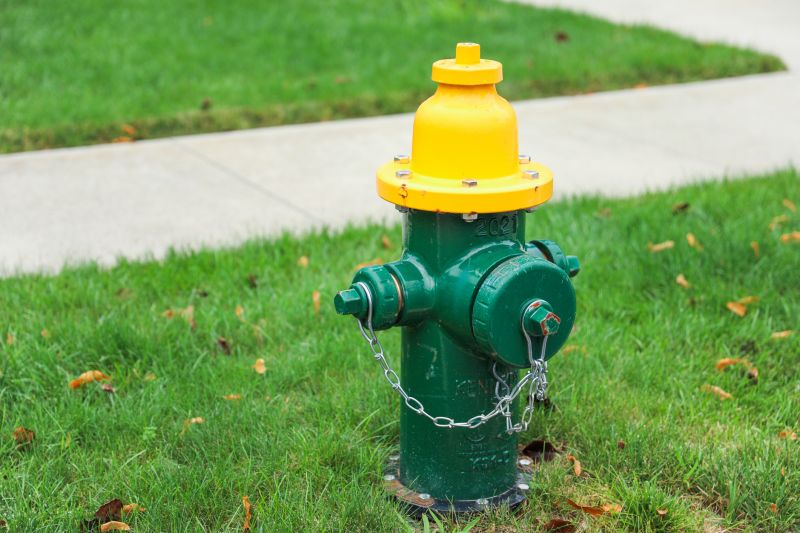
When evaluating potential service providers for ground hydrant installation, it’s important to consider their experience with similar projects. Homeowners should inquire about how long a contractor has been working with ground hydrants and whether they have successfully completed projects comparable in scope and complexity. An experienced contractor is more likely to understand the nuances of installation, local soil conditions, and potential challenges, which can contribute to a smoother process and a more reliable outcome.
Clear, written expectations are essential when comparing local contractors for this type of work. Homeowners should seek detailed proposals that outline the scope of work, materials to be used, and any specific responsibilities of each party. Having these expectations documented helps prevent misunderstandings and provides a reference point throughout the project. It’s also beneficial to ask how the contractor communicates progress and addresses questions, ensuring that lines of communication remain open and transparent.
Reputable references and good communication are key indicators of a reliable service provider. Homeowners can ask potential contractors for references from previous clients who had similar ground hydrant installations. Speaking with past customers can reveal insights into the contractor’s professionalism, adherence to timelines, and quality of work. Additionally, effective communication-such as prompt responses to inquiries and clarity in explanations-can make the entire process more manageable. It’s worth noting that the site connects homeowners with local service providers who are qualified to handle the work, rather than performing the installation itself.
Property owners use Ground Hydrant Installation services for practical projects around their homes and businesses. This guide focuses on everyday jobs and straightforward project options.

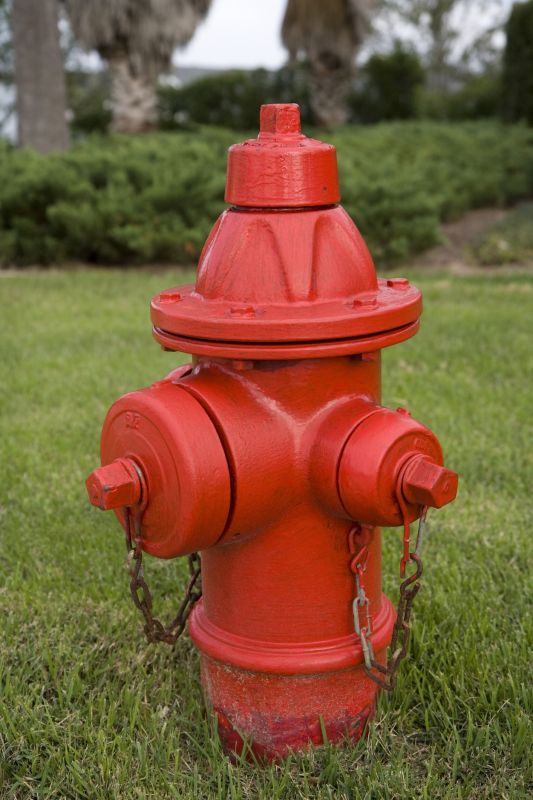
Ground hydrant installation is a common need for property owners managing fire safety and emergency preparedness. Whether constructing new facilities, upgrading existing fire protection systems, or replacing outdated equipment, local contractors can provide the expertise needed to install reliable ground hydrants. These projects often arise during building renovations, site expansions, or routine safety upgrades, prompting property owners to seek experienced service providers who understand local codes and site-specific requirements.
Additionally, property owners in the area may look for ground hydrant services when preparing for inspections or ensuring ongoing safety compliance. Proper installation of these systems is essential for effective emergency response, especially in commercial, industrial, or large residential properties. Local service providers can assist with the installation process, ensuring the hydrants are correctly positioned and functioning properly to meet safety standards and protect assets.
What is ground hydrant installation? Ground hydrant installation involves setting up underground water access points that provide convenient outdoor water supply for firefighting, irrigation, or other needs.
Who can handle ground hydrant installation projects? Local contractors experienced in outdoor water systems can perform ground hydrant installation services based on specific site requirements.
What factors influence the type of ground hydrant needed? The selection depends on water pressure, usage frequency, climate conditions, and the property's layout, which local service providers can assess.
Are ground hydrants suitable for residential properties? Yes, ground hydrants can be installed for residential use, especially in larger yards or properties requiring accessible outdoor water sources.
How do local service providers ensure proper ground hydrant installation? They evaluate site conditions, select appropriate equipment, and follow best practices to ensure the hydrant functions reliably and safely.
Ground Hydrant Installation for Fire Safety - Property owners can enhance fire protection by installing ground hydrants in strategic locations around their property.
Water Supply Solutions for Large Properties - Installing ground hydrants provides a reliable water source for irrigation, landscaping, or other outdoor needs.
Emergency Preparedness Enhancements - Ground hydrants can be part of a broader emergency response plan, ensuring quick access to water during crises.
Property Drainage and Water Management - Hydrants can assist with managing excess water or storm runoff on large or complex properties.
If you are thinking about Ground Hydrant Installation for a property, this guide is meant to help you understand the work, the typical project types, and how different options might fit your plans.
When you are ready, you can use the quote form on this page to share a few details about your project. From there, local pros can review the basics and respond with options that match what you have in mind.